Product specs are supposed to make buying easier, but they often make things more confusing. A bigger number can look better on a product page, but that does not always mean the product is the better choice for your situation.
This section of Data Driven Buyer explains common product specs in plain English. These guides break down numbers and terms like PSI, GPM, watts, volts, amp-hours, torque, runtime, cleaning units, CFM, lumens, cord gauge, battery capacity, motor types, and other details that show up on tools, outdoor equipment, generators, and home-use products.
The goal is to help you understand what those specs actually mean before you compare products or spend money. Some specs matter a lot for certain jobs. Some only matter in specific situations. And some are easy to misunderstand because companies use them in marketing without much context.
For example, a pressure washer with more PSI is not always better if the GPM is too low. A cordless tool with a bigger battery may run longer, but it may also feel heavier. A generator with a large starting-watt number may still have limits when several items are running at once.
Use the guides below to learn what product specs mean, how they affect real-world use, and which numbers deserve your attention before you buy.
Latest Specs Explained Guides
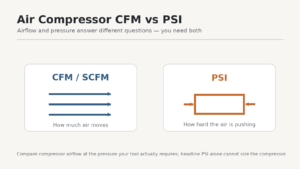
Air Compressor CFM vs PSI: What Size Do Homeowners Need?
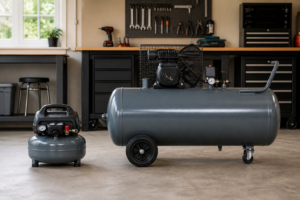
Air Compressor Tank Size Explained: Does a Bigger Tank Matter?
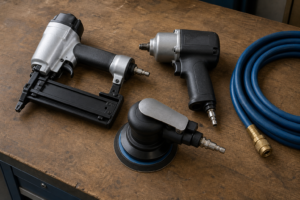
How Much CFM Do Air Tools Need?
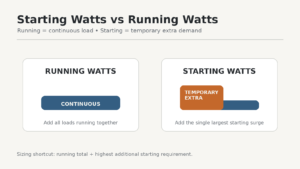
Starting Watts vs Running Watts: How to Size a Portable Generator
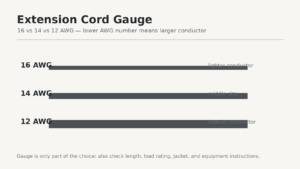
Extension Cord Gauge: 16 vs 14 vs 12 AWG Explained