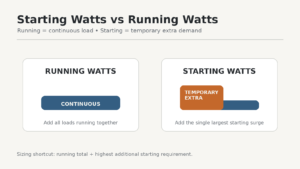
Portable generators can be useful for power outages, storms, home backup, camping, job sites, and running essential equipment when regular power is not available. But choosing the right generator is not just about picking the model with the biggest wattage number.
For homeowners, the better question is what you actually need the generator to do. Running a refrigerator, a few lights, and a phone charger is very different from trying to power a furnace, sump pump, microwave, well pump, or several tools at the same time. Starting watts, running watts, fuel type, outlet types, runtime, noise, cord setup, and safety features all matter.
This section of Data Driven Buyer focuses on plain-English portable generator buying advice for regular homeowners and everyday users. These guides explain generator specs, common buying mistakes, power needs, inverter generators, gas generators, dual-fuel models, extension cords, transfer switches, and safe setup.
Generator safety is also a major part of the decision. Portable generators must be used outdoors, away from windows, doors, garages, and enclosed spaces because of carbon monoxide danger. The right generator is not only the one that can produce enough power, but the one you can use safely and realistically.
Use the guides below to understand portable generator features, compare important specs, and choose a setup that fits the way you will actually use it.
Latest Portable Generator Guides
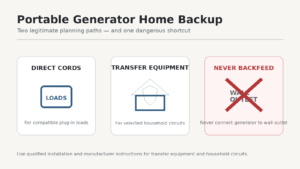
Portable Generator Home Backup: Extension Cords, Transfer Switches, and Why Backfeeding Is Dangerous
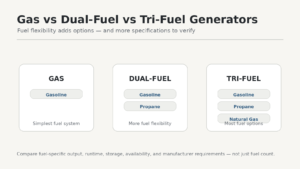
Gas vs Dual-Fuel vs Tri-Fuel Generators
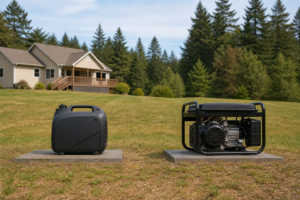
Inverter vs Conventional Generator: Which Is Better?
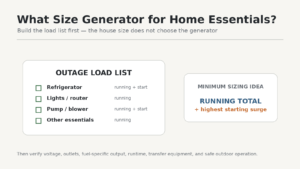
What Size Portable Generator for Home Essentials?