Cordless tools are convenient, but the buying process can get confusing fast. Voltage, battery size, brushless motors, torque ratings, tool platforms, kits, bare tools, chargers, and brand ecosystems all affect what you are actually getting.
For homeowners and DIY users, the best cordless tool is not always the most powerful one. A compact drill may be a better choice than a heavy-duty model for simple repairs. A larger battery may give more runtime, but it can also make the tool heavier. And once you buy into a battery platform, future tool choices often become tied to that brand.
This section of Data Driven Buyer focuses on plain-English cordless tool buying advice for regular homeowners. These guides explain drills, impact drivers, saws, batteries, chargers, 12V vs. 18V and 20V Max tools, amp-hours, torque, chucks, clutches, brushless motors, and common buying mistakes.
The goal is to help you understand the tradeoffs before you buy. Instead of chasing the biggest number on the box, these articles are meant to help you choose cordless tools that fit the jobs you actually do around the house, garage, yard, or workshop.
Use the guides below to compare cordless tool features, understand important specs, and avoid paying extra for power or features you may not need.
Latest Cordless Tool Guides
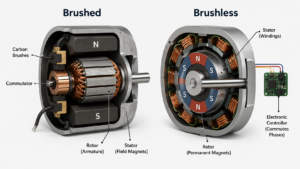
Brushless vs Brushed Cordless Tools: When Is Brushless Worth Paying For?
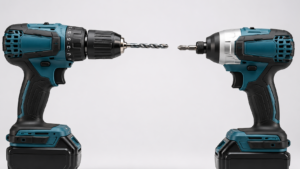
Cordless Drill vs Impact Driver: Which One Do You Need First?
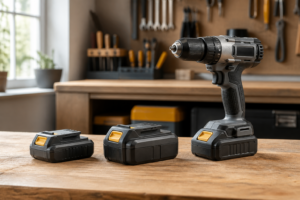
Cordless Tool Platforms Explained: Why the Battery System Matters More Than One Tool
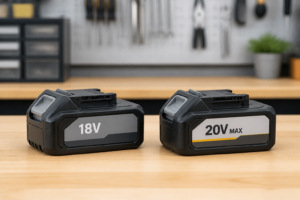
18V vs 20V MAX Tools: What the Voltage Labels Really Mean