Brushless vs Brushed Cordless Tools: When Is Brushless Worth Paying For?
Brushless motors eliminate carbon brushes and can improve efficiency and control, but that does not make every brushless tool the better buy. See when paying more makes sense.
Buying advice for cordless drills, impact drivers, batteries, chargers, tool platforms, and the specs that matter for regular homeowners.
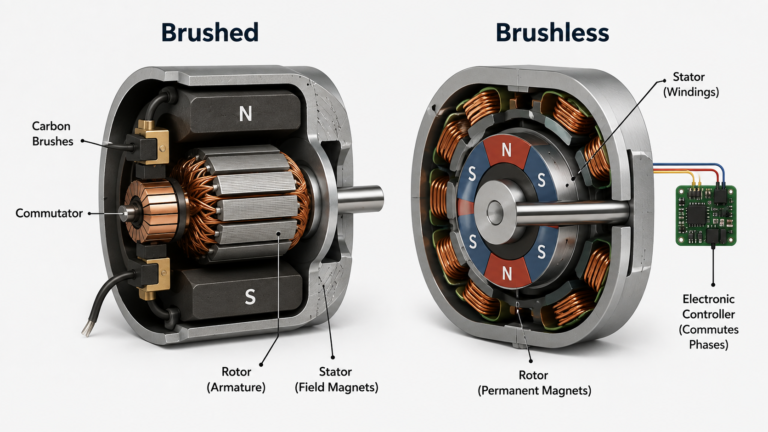
Brushless motors eliminate carbon brushes and can improve efficiency and control, but that does not make every brushless tool the better buy. See when paying more makes sense.
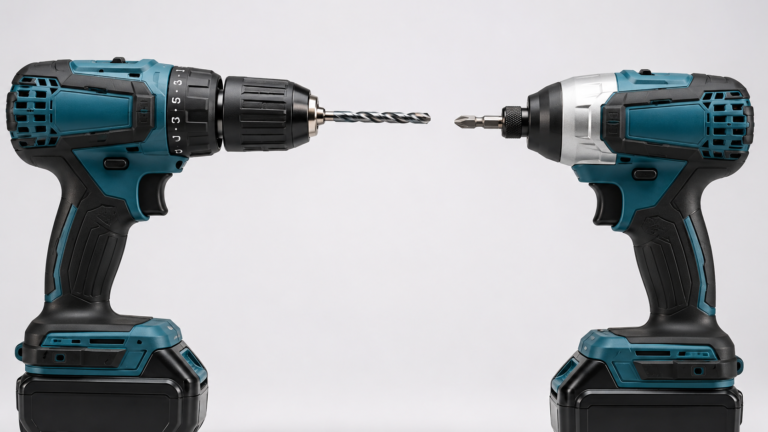
A drill and impact driver overlap, but they are not the same tool. Learn which one to buy first for drilling holes, driving screws, furniture, repairs, and heavier fastening.
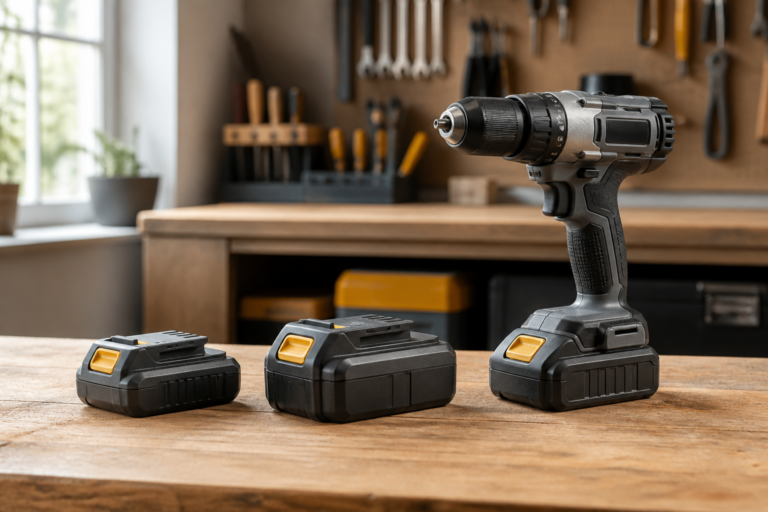
A cordless tool is also a commitment to batteries and chargers. Learn how platform compatibility, battery sizes, tool selection, and switching costs affect the smarter buy.
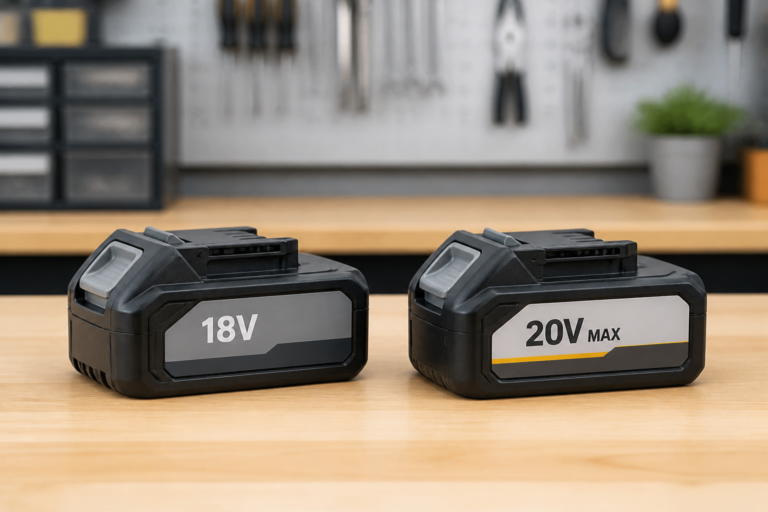
An 18V label and a 20V MAX label can be more similar than the numbers make them look. DeWalt explicitly rates its 20V MAX platform at 18V nominal. Here is what that means — and what voltage labels do not tell you about tool performance or compatibility.
Cordless tool batteries are covered in numbers: 12V, 18V, 20V MAX, 2.0Ah, 5.0Ah, 8.0Ah, and sometimes watt-hours. Those numbers look like a simple ranking system. They are not. Voltage, amp-hours, and watt-hours describe different things. A larger number may mean more stored energy, a different tool platform, more weight, or a pack designed to supply…