Brushless vs Brushed Cordless Tools: When Is Brushless Worth Paying For?
“Brushless” has become one of those labels that sounds like an automatic upgrade.
Sometimes it is. Sometimes it is mostly a reason to spend more than you need to.
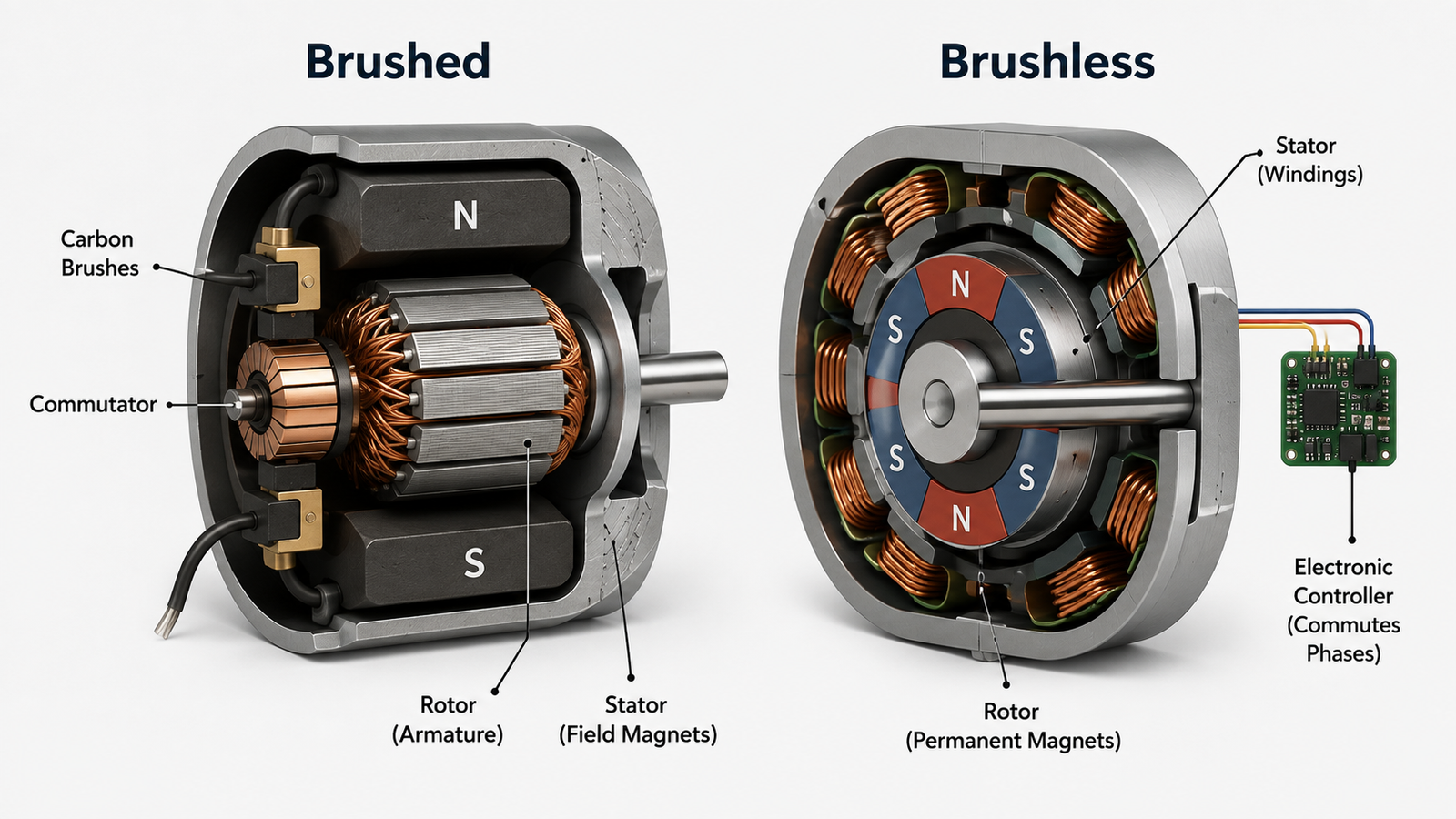
A brushless motor eliminates the carbon brushes used in a traditional brushed motor and relies on electronic control instead. That can improve efficiency, reduce a wear item, and allow manufacturers to manage motor output more precisely.
It does not mean every brushless drill is stronger, lighter, quieter, or better built than every brushed drill.
Quick Answer
Brushless is most worth paying for when you use the tool frequently, run it hard, care about battery efficiency, or are buying a tool you expect to keep for years.
A brushed tool can still be the smarter buy for light occasional work when it is substantially cheaper and already has enough performance for the job.
Compare the actual tool, not just the motor label.
What Brushes Do in a Traditional Motor
A brushed DC motor uses carbon brushes to transfer electrical current to the rotating part of the motor through a commutator.
Those brushes make physical contact. Over time they can wear.
A brushless motor removes that contact system and uses electronics to switch the motor windings instead.
Makita describes its brushless motors as eliminating carbon brushes, allowing the motor to run cooler and more efficiently for longer life. It also uses electronic control to match motor output to changing load.
That is the real engineering difference behind the marketing word.
Why Brushless Can Use Battery Energy More Efficiently
Friction and electrical losses matter in a battery-powered tool because every watt has to come from the pack you are carrying.
By removing brushes and controlling the motor electronically, a manufacturer can improve how efficiently battery energy is converted into useful work.
Makita publishes model-specific claims of longer runtime for some brushless tools compared with similar non-brushless models. Those claims are useful examples, but they are not a universal percentage that can be applied to every tool from every manufacturer.
Runtime still depends on the specific motor, electronics, gearing, battery, workload, accessory, and how the tool is used.
Brushless Does Not Automatically Mean More Power
A brushless motor can support excellent performance, but the word alone does not tell you how much torque, speed, cutting capacity, or sustained output the tool actually has.
Manufacturers build brushless tools at different price and performance levels.
A premium brushed tool can outperform a cheap brushless tool in an application. A compact brushless drill may deliberately prioritize weight and size rather than maximum torque.
Read the specifications that matter for the actual job.
Where Brushless Usually Makes the Most Sense
Brushless becomes easier to justify when the tool works hard enough for efficiency, heat, and wear to matter.
Good candidates include:
- drills used frequently for larger holes or heavier fastening
- impact drivers used for repeated fastening
- circular saws and reciprocating saws
- grinders
- routers
- cordless vacuums and blowers
- high-demand outdoor tools
For a tool that runs for extended periods, better battery utilization can be more valuable than it is on a tool that runs for five seconds at a time.
Where a Brushed Tool Can Still Be Fine
A homeowner who uses a drill a few times a month to hang shelves, assemble furniture, and make small repairs may get years of useful service from a brushed drill.
If the brushed kit is much cheaper and already meets the job requirements, paying extra for brushless may not improve the work enough to matter.
This is especially true when the purchase would force you into a new battery platform or when the cheaper tool includes batteries and a charger you actually need.
The Platform Can Matter More Than the Motor
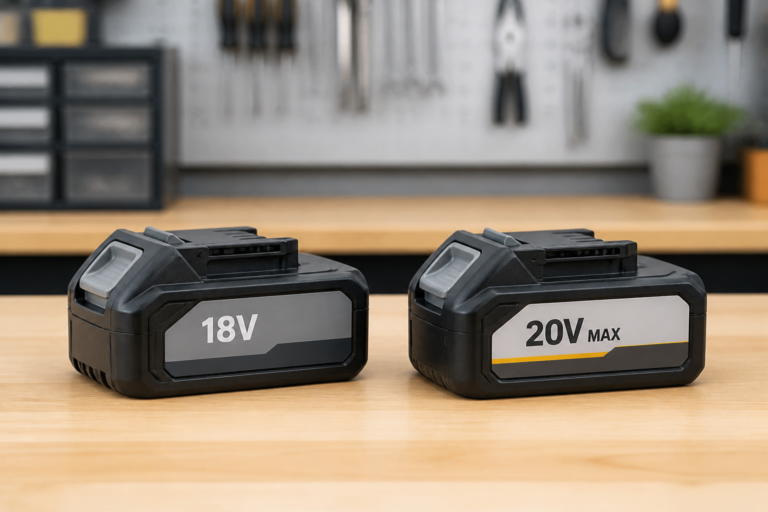
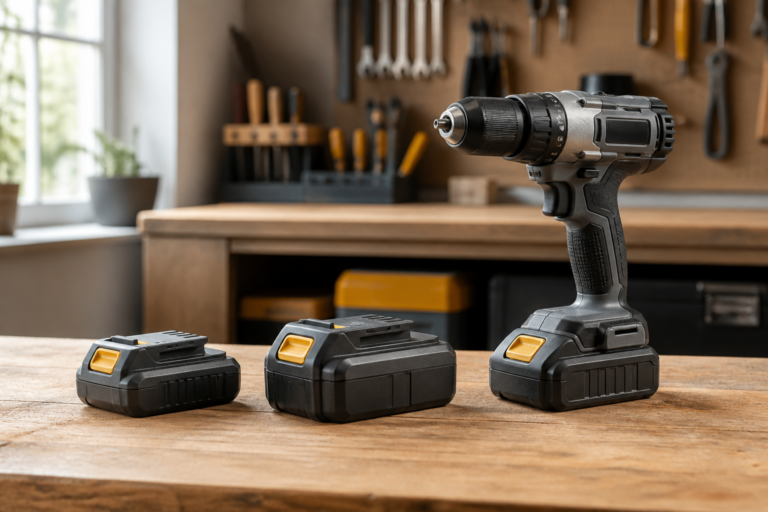
A brushless tool in the wrong battery ecosystem can be a worse long-term choice than a brushed tool in a platform that fits your future needs.
Before paying a premium, ask:
- Do I already own compatible batteries?
- Are the other tools I want available in this system?
- Is the brushless version meaningfully lighter or more capable?
- Does it include a better battery or charger?
- Is the price difference small or large?
For a broader look at this decision, see Cordless Tool Platforms Explained.
Do Brushless Motors Require No Maintenance?
No.
They eliminate motor brushes as a wear item. The rest of the tool still has bearings, gears, switches, electronics, chucks, housings, cooling passages, and other components that can wear or fail.
“Brushless” does not mean maintenance-free or indestructible.
A Better Way to Compare Two Tools
If you are deciding between a brushed and brushless version, compare these in order:
- Does each tool have enough performance for your job?
- Do they use batteries you already own?
- What is the weight with the battery you would actually use?
- What features change besides the motor?
- What is the price difference after including battery and charger needs?
- How often and how hard will you use it?
If both tools easily handle your work and one costs much less, the cheaper one may be the better buy.
If you use the tool regularly and the brushless version is more compact, more capable, and easier on batteries, the premium can make sense.
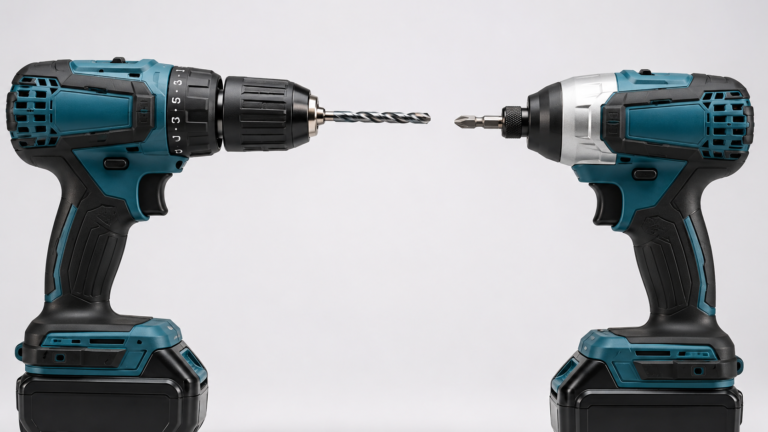
If the tool itself is still the question, start with Cordless Drill vs Impact Driver before paying extra for either motor type.
Bottom Line
Brushless motors remove carbon brushes and give manufacturers more electronic control over motor operation. That can improve efficiency, heat management, runtime, and durability.
Those are real advantages.
The mistake is turning “brushless” into a substitute for comparing the actual tools.
For occasional homeowner work, a good brushed tool may be plenty. For frequent or demanding cordless use, brushless is usually easier to justify—especially when it fits a battery platform you already plan to keep.